Recovered
YeArs Experience
or You Don’t Owe Us a Dime
Recovered
YeArs Experience
or You Don’t Owe Us a Dime
Ship owners have specific responsibilities under maritime law, including insuring their vessels are “seaworthy” and safe for their intended use. The Limitation of Liability Act allows shipowners to limit their liability under certain circumstances, but they must still meet their fundamental duties for safety and seaworthiness.
You have the right to file a lawsuit for a ship owner’s negligence. We can discuss your legal options with you during your free consultation, if you believe a ship owner is responsible for your injuries.
The DOHSA gives surviving family members the ability to seek compensation when a loved one dies due to an incident on an ocean-going vessel that is beyond three nautical miles from the U.S. shoreline. Compensation is based on establishing negligence by the vessel’s owner or operators.
These laws protect victims in different ways, but they are complex. It is crucial to speak with our experienced lawyers as soon as possible after you have been hurt. We fully understand these laws and your legal rights. Our maritime injury lawyers are prepared to help you pursue the full and fair compensation you deserve under the laws that apply to your case.
Barge operators command vessels designed to carry heavy or bulky goods. These flat-bottomed crafts are primarily used on inland waterways and are critical for transporting goods that might be challenging to move by road or rail. Barge operators must navigate these waterways safely and coordinate the movement and delivery of cargo.
Wharf workers attend to the operations at the wharfs or docks. Their responsibilities may include securing mooring lines, facilitating the transfer of cargo to storage areas, and ensuring that the dock area is maintained for the welfare and safety of all workers and operations. Wharf workers are essential in maintaining the orderliness and functionality of the port environments.
Dredge operators manage specialized vessels that clear out waterways and harbors to keep them open for navigation. By removing sediments and debris from the bottoms of these water bodies, they ensure safe and unobstructed passage for other vessels, which is paramount for the preservation of maritime commerce and naval travel.
Commercial fishermen are responsible for harvesting fish and shellfish from the oceans, rivers, and bays for commercial sale and distribution. This occupation requires a profound knowledge of fishing grounds, weather patterns, and sustainable fishing practices. It is a demanding job that often involves long periods at sea and can be perilous, subject to harsh working conditions.
Oil rig workers are employed on offshore drilling platforms. Their duties include drilling for oil and natural gas, maintaining the equipment, and managing operations to ensure that these resources are extracted safely and efficiently. Oil rig workers often work in rotation patterns, spending significant lengths of time at sea, away from their homes and families.
Harbor workers perform various tasks that are vital to the operations within the port. They might repair and maintain ships, handle cargo, operate machinery, and perform custodial tasks to ensure that the harbor’s operations run safely and smoothly. Their work is fundamental to the productivity of the maritime economic sector.
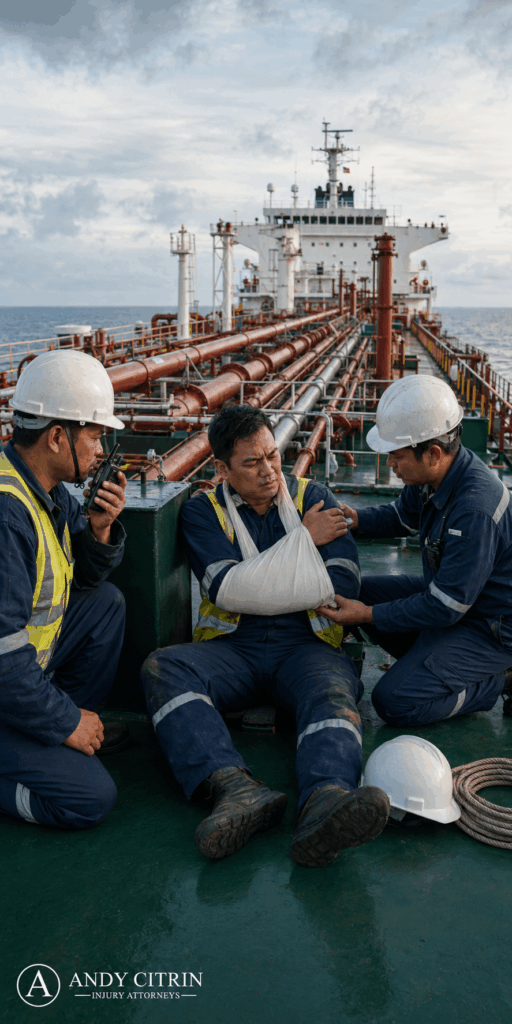
Barge operators command vessels designed to carry heavy or bulky goods. These flat-bottomed crafts are primarily used on inland waterways and are critical for transporting goods that might be challenging to move by road or rail. Barge operators must navigate these waterways safely and coordinate the movement and delivery of cargo.
Wharf workers attend to the operations at the wharfs or docks. Their responsibilities may include securing mooring lines, facilitating the transfer of cargo to storage areas, and ensuring that the dock area is maintained for the welfare and safety of all workers and operations. Wharf workers are essential in maintaining the orderliness and functionality of the port environments.
Dredge operators manage specialized vessels that clear out waterways and harbors to keep them open for navigation. By removing sediments and debris from the bottoms of these water bodies, they ensure safe and unobstructed passage for other vessels, which is paramount for the preservation of maritime commerce and naval travel.
Commercial fishermen are responsible for harvesting fish and shellfish from the oceans, rivers, and bays for commercial sale and distribution. This occupation requires a profound knowledge of fishing grounds, weather patterns, and sustainable fishing practices. It is a demanding job that often involves long periods at sea and can be perilous, subject to harsh working conditions.
Oil rig workers are employed on offshore drilling platforms. Their duties include drilling for oil and natural gas, maintaining the equipment, and managing operations to ensure that these resources are extracted safely and efficiently. Oil rig workers often work in rotation patterns, spending significant lengths of time at sea, away from their homes and families.
Harbor workers perform various tasks that are vital to the operations within the port. They might repair and maintain ships, handle cargo, operate machinery, and perform custodial tasks to ensure that the harbor’s operations run safely and smoothly. Their work is fundamental to the productivity of the maritime economic sector.
Under 46 U.S. Code §30104, the Jones Act serves as a lifeline for injured seamen and other maritime workers who suffer harm while employed on a qualifying vessel. Any watercraft , that is on the water and capable of operating or transporting on navigable waters, without being pulled by a tugboat or other assistance, qualifies.
You may be eligible to seek benefits as an injured maritime worker if you work on these and other vessels:
The maritime industry in Alabama, contributes nearly three billion in revenue to the state each year. The shipbuilders, mechanical engineers, longshoremen, seamen and those working in other roles find the work rewarding, but it comes at a cost as there is a higher risk of injuries. Injuries in these and other offshore roles occur from incidents like slip and falls, ship fires, equipment failures, falls overboard and more.
Maritime workers, however, are not covered under workers’ compensation laws like those who work on shore. Injured maritime workers can, however, seek benefits under various federal laws. If you or a loved one get injured offshore, you need a knowledgeable maritime attorney to help you recover compensation for medical costs, lost wages and other benefits.
At Andy Citrin Injury Attorneys, we have a legal team experienced in helping maritime workers recovering the benefits they need to support them while they heal. Andy Citrin, the firm’s founder, has been designated as a Certified Proctor in Admiralty, a distinction appointed only to practicing maritime attorneys with at least six years in the industry.
Not sure if you have a case? Call our law offices to request a free initial consultation. We have staff available to take your call 24/7. If you have a case and we represent you, there are no upfront costs to pay, so there is no risk to you.
This act provides a lifeline for those who do not qualify for benefits as seamen. Longshore workers, and those employed at docks and shipping terminals, for example, may be eligible to receive compensation under the LHWCA. Eligible workers may receive compensation for:
Medical benefits for injuries or illnesses related to employment.
Rehabilitation services aimed at facilitating a return to work.
Compensation for lost wages during the recovery period.
Survivor benefits to dependents in the tragic event of a worker’s death on the job.
Any loss at sea is a profound tragedy. After losing a loved one, families often search for support and acknowledgment of their pain. The DOHSA provides financial support for families facing such losses by offering compensation for:
Loss of financial support that the deceased would have provided
Funeral expenses
Loss of care, nurture and guidance to surviving children
Workers on offshore platforms face unique risks, and the OCSLA extends critical protections to those employed on the Outer Continental Shelf, offering:
Disability benefits for workers injured on the job
Medical care for injuries or illnesses linked to employment
Survivor benefits for the families of workers who suffer fatal accidents
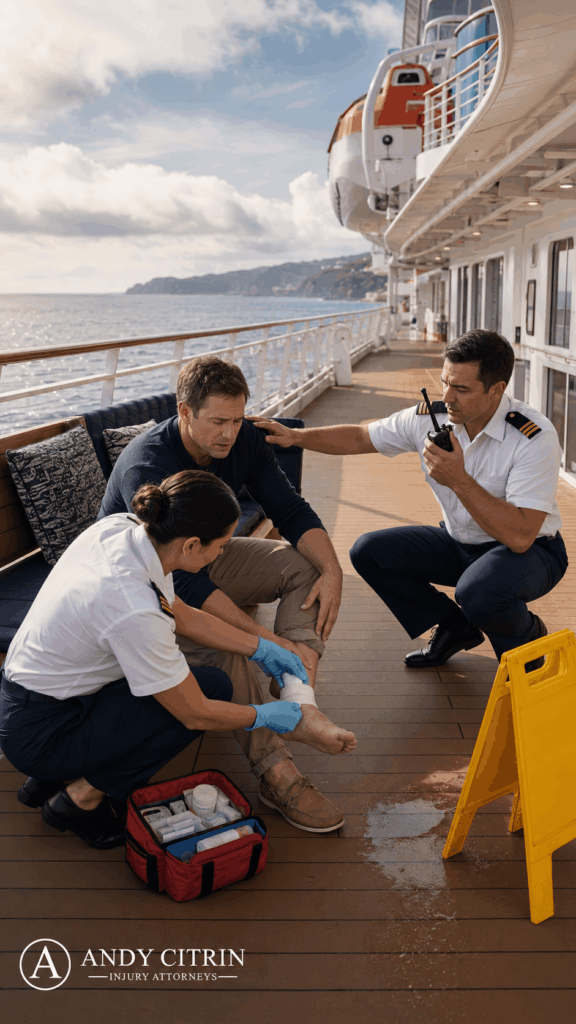
This act provides a lifeline for those who do not qualify for benefits as seamen. Longshore workers, and those employed at docks and shipping terminals, for example, may be eligible to receive compensation under the LHWCA. Eligible workers may receive compensation for:
Medical benefits for injuries or illnesses related to employment.
Rehabilitation services aimed at facilitating a return to work.
Compensation for lost wages during the recovery period.
Survivor benefits to dependents in the tragic event of a worker’s death on the job.
Any loss at sea is a profound tragedy. After losing a loved one, families often search for support and acknowledgment of their pain. The DOHSA provides financial support for families facing such losses by offering compensation for:
Loss of financial support that the deceased would have provided
Funeral expenses
Loss of care, nurture and guidance to surviving children
Workers on offshore platforms face unique risks, and the OCSLA extends critical protections to those employed on the Outer Continental Shelf, offering:
Disability benefits for workers injured on the job
Medical care for injuries or illnesses linked to employment
Survivor benefits for the families of workers who suffer fatal accidents
In cases where the act leading to injury was particularly reckless or intentional, punitive damages may be awarded not just to compensate you, but also to penalize the responsible party, and deter similar conduct in the future.
Seeking these damages can be a long, drawn-out and overwhelming process full of complex legalities. You will need an experienced maritime lawyer on your side who can fight to get the compensation you deserve. Andy Citrin Injury Attorneys is here to help guide you through so you can focus on what is most important: your recovery and health.
The harbors of maintenance and cure offer a no-fault-based system to support seamen who suffer injuries or illness during their service aboard a vessel. These benefits uphold a seaman’s health and financial well-being by providing medical care, continued income through the end of the voyage and coverage for living expenses during recovery.
Some examples of medical care and living expense benefits include:
The harbors of maintenance and cure offer a no-fault-based system to support seamen who suffer injuries or illness during their service aboard a vessel. These benefits uphold a seaman’s health and financial well-being by providing medical care, continued income through the end of the voyage and coverage for living expenses during recovery.
Some examples of medical care and living expense benefits include:
If you suffered injuries while working in the maritime industry, it is critical for you to know and understand your legal rights. However, not every personal injury lawyer is qualified to handle maritime accidents.
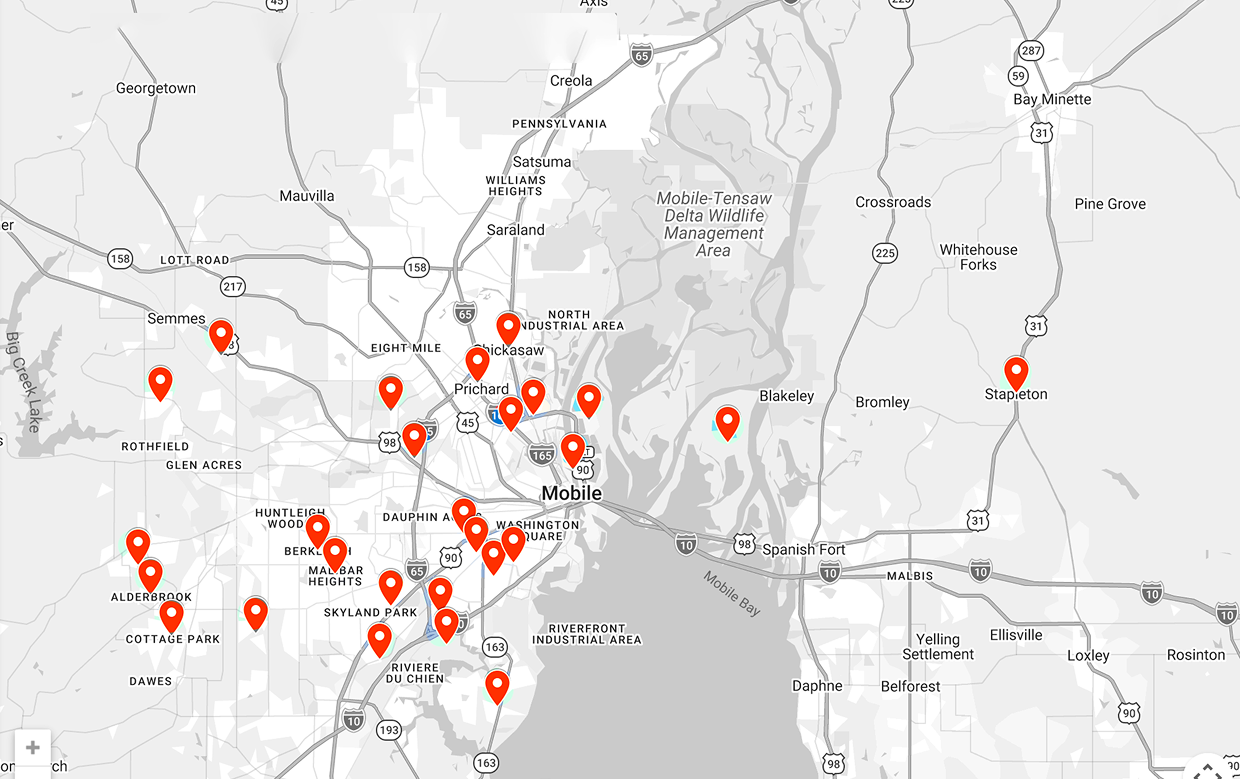
Contact Andy Citrin Injury Attorneys to help you after a maritime injury. Our lawyers understand maritime law and are prepared to help protect your claim and fight for the compensation you need. Our office in Mobile is located right off I-65, and you can contact our law offices for a free case review 24/7.

Mobile Maritime Injury Lawyers
Be a member of a vessel’s crew
Spend at least 30 percent of your working time on a vessel or fleet of vessels
Be on a vessel that is in navigable waters – the vessel must be afloat, in operation and capable of moving.
Repetitive use injuries
Concussions
Spinal cord injuries
Shoulder injuries
Poisoning
Suffocation
Chemical burns
Fishing injuries
Broken bones
Lost limbs
Death
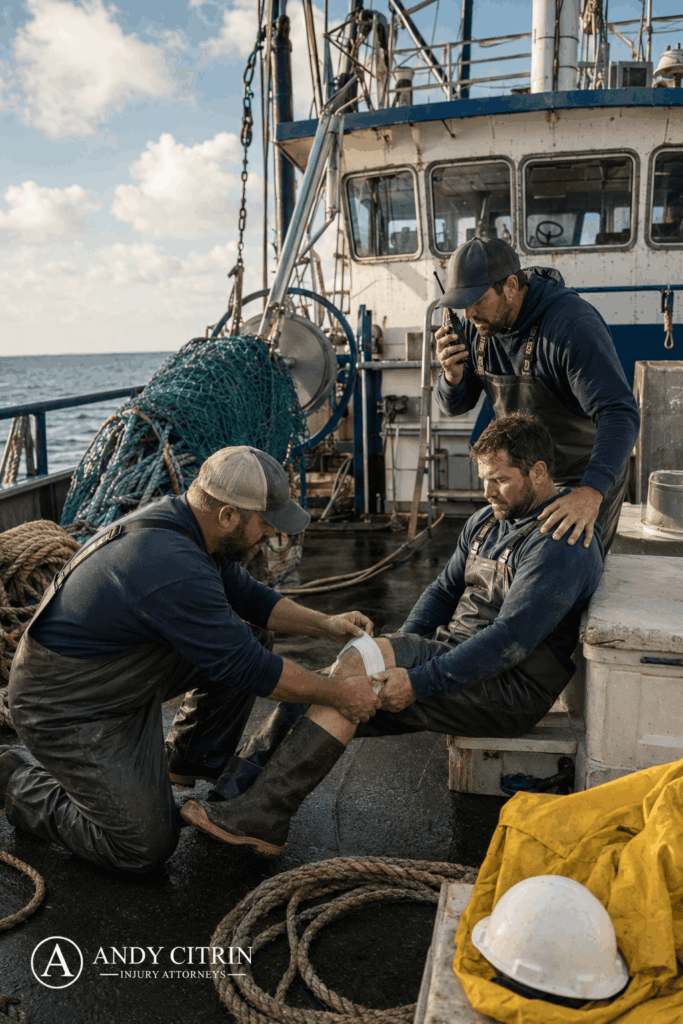
Be a member of a vessel’s crew
Spend at least 30 percent of your working time on a vessel or fleet of vessels
Be on a vessel that is in navigable waters – the vessel must be afloat, in operation and capable of moving.
Repetitive use injuries
Concussions
Spinal cord injuries
Shoulder injuries
Poisoning
Suffocation
Chemical burns
Fishing injuries
Broken bones
Lost limbs
Death